
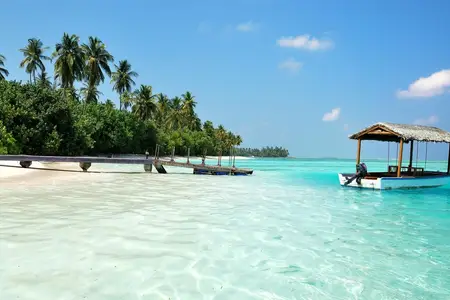
Close your eyes and picture paradise. For some, it's a terraced hillside glowing gold at sunrise, incense drifting through ancient temple gates, and a bowl of nasi goreng served at a roadside warung. For others, it's a glass-floored villa suspended over a turquoise lagoon, where the only sounds are the ocean and absolute silence.
Welcome to the ultimate tropical showdown: Bali vs Maldives.
Both destinations have earned their spots on every travel bucket list — and for good reason. But they offer wildly different experiences. One is a cultural feast for the soul; the other is a luxury escape that redefines indulgence. So which one deserves your 2026 holiday budget? That's exactly what we're going to figure out — together.
Whether you're a budget backpacker, a honeymooner splurging on romance, or a family searching for the perfect mix of fun and relaxation, this guide will help you choose your paradise.
Overview of Bali and Maldives: Key Differences
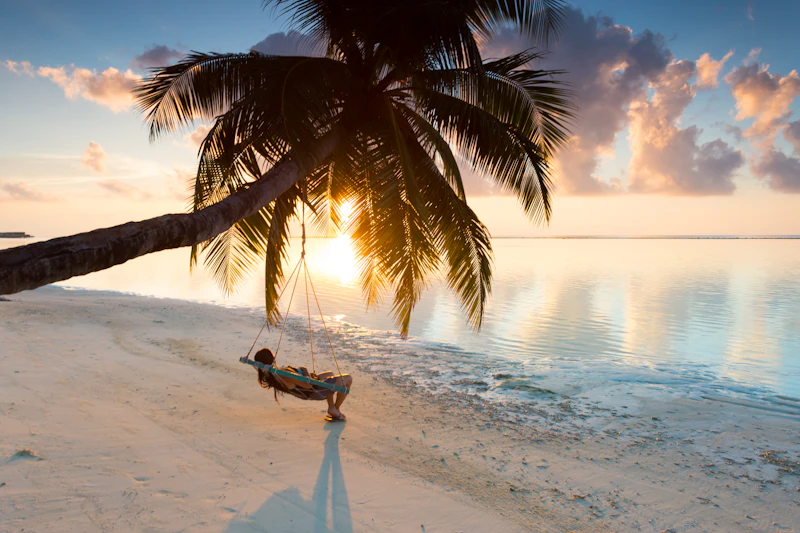
When choosing between Bali and the Maldives, it really comes down to the kind of experience you’re looking for. While both are tropical paradises, they offer completely different vibes.
Geography & Landscape: Bali is a lush, diverse island with volcanic mountains, rice terraces, waterfalls, and beaches. In contrast, the Maldives is made up of overwater atolls, known for its crystal-clear lagoons, white-sand beaches, and private island resorts.
Culture & Atmosphere: Bali is rich in culture, with strong influences of Balinese Hindu traditions, temples, local markets, and vibrant daily life. The Maldives, on the other hand, offers a more secluded and luxurious experience with minimal cultural immersion, as most stays are within private resort islands.
Travel Style & Activities: Bali is ideal for travelers who enjoy exploration—temple visits, waterfalls, cafes, shopping, and nightlife. The Maldives is perfect for relaxation, with activities centered around snorkeling, diving, spa experiences, and unwinding in overwater villas.
Overall, Bali attracts a wide range of travelers—from solo backpackers to families and digital nomads—due to its affordability and variety. The Maldives is more suited for honeymooners and luxury seekers looking for privacy, exclusivity, and a tranquil escape.
As you can see, these two destinations aren't really competing — they're serving completely different travel desires. The real question is: which desire matches yours right now?
Best Time to Visit Bali
Bali enjoys a tropical climate all year, but timing your trip right makes a huge difference. The dry season runs from April to October — this is peak Bali. The skies are blue, the rice terraces are impossibly green, and the surf at Uluwatu is absolutely pumping. July and August are the busiest (and priciest) months, so book accommodation early.
The wet season, from November to March, brings afternoon showers and humid heat. But here's the thing — the rain rarely lasts all day, the island is far less crowded, and prices drop significantly. If you don't mind the occasional downpour and want Bali a little more to yourself, the wet season is actually a hidden gem.
Sweet spot? May, June, or September — warm, dry, fewer crowds. Perfect timing.
Best Time to Visit Maldives
The Maldives has two faces. From November to April, the northeast monsoon brings calm seas, sunshine, and ideal visibility for diving and snorkelling. This is peak season, and resorts get booked up fast — especially over Christmas and New Year when rates can go through the roof.
From May to October, the southwest monsoon rolls in. You'll see more wind and occasional rain, but the Maldives doesn't get the kind of heavy downpours you'd expect. Many resorts actually lower their prices during this period, making it a brilliant window to experience luxury for less.
The Maldives is stunning year-round, but if pristine weather and flat, glass-like seas are your priority, aim for January to March.
Bali vs Maldives: Cost Comparison
Let's be honest — budget is usually the deciding factor. Here's how the two stack up:
Bali Budget for different Traveler Type:
- Budget traveller: ₹3,700 – ₹6,500/day(hostels, street food, scooter hire)
- Mid-range: ₹9,300 – ₹18,600/day (boutique hotels, spa treatments, restaurant meals)
- Luxury: ₹28,000 – ₹56,000+/day (private villas, cliff-edge resorts, private drivers)
Maldives Budget for different Traveler Type:
- Budget (guesthouse islands): ₹14,000 – ₹23,000/day
- Mid-range resort: ₹32,500 – ₹56,000/day
- Luxury overwater villa: ₹74,500 – ₹1,86,000+/day
The final take? Bali is far more accessible across almost every budget range. While the Maldives can be explored more affordably by staying on local guesthouse islands like Maafushi instead of private resorts, it still tends to be more expensive than Bali.
If you’re open to splurging and celebrating a special occasion, the Maldives delivers an experience that justifies the cost. But if you’re looking for exceptional value without compromising on beauty and experiences, Bali clearly comes out on top.
Things to Do in Bali: A Cultural and Natural Haven
Bali is one of those rare destinations where you could spend a month and still feel like you've barely scratched the surface. It's endlessly layered — every turn brings something new.
Best things to do in Bali:
- Explore Tanah Lot and Uluwatu Temples — two of the most iconic sea temples in the world, especially magical at sunset.
- Trek through the Tegallalang Rice Terraces in Ubud — Instagram-worthy? Yes, but deeply soul-stirring in person.
- Catch a traditional Kecak fire dance performance at dusk.
- Surf at Kuta or Canggu if you're a beginner.Then head to Uluwatu or Padang for serious waves.
- Visit the Sacred Monkey Forest Sanctuary in Ubud — just guard your sunglasses
- Take a sunrise hike up Mount Batur for a crater-rim breakfast above the clouds
- Indulge in a traditional Balinese massage — often for as little as $10/hour
- Explore Seminyak and Canggu for world-class beach clubs, cafes, and boutiques
What sets Bali apart is its spiritual depth. Hindu rituals are woven into everyday life — flower offerings on pavements, incense at dawn, temples in every village. You don't just visit Bali; you feel it.
Things to Do in Maldives: Luxury and Adventure in Paradise
The Maldives isn't about ticking off a list of attractions — it's about immersing yourself in an environment so pristine it almost doesn't feel real. But there's plenty to do if you're not content just staring at that impossibly blue water.
Best things to do in Maldives:
- Snorkel straight off your overwater villa — the house reef is usually spectacular.
- Scuba dive at world-class sites like Maaya Thila or the HP Reef — manta rays and whale sharks are regulars.
- Take a sunset dolphin cruise (pods often number in the hundreds).
- Explore a sandbank — a tiny strip of white sand surrounded by nothing but ocean.
- Try underwater dining at Ithaa Undersea Restaurant — entirely submerged, 5 metres below the surface.
- Kayak, paddleboard, or try flyboarding.
- Enjoy a couples' spa treatment — many resorts offer floating spa pavilions over the lagoon.
- Island-hop between local guesthouse islands and experience Maldivian culture beyond the resort bubble
Places to visit in the Maldives for couples especially shine in this regard — a private sandbank dinner, a couples' diving excursion, or simply watching bioluminescent plankton light up the shoreline at night. It's the kind of stuff that stays with you forever.
Accommodation: Villas, Resorts, and Hotels
Both destinations offer a range of stays, but they feel completely different.
In Bali, you can wake up in a ₹3000-a-night eco homestay in the jungle or a ₹45,000-a-night private pool villa with a dedicated butler. Seminyak and Canggu are packed with stylish boutique hotels and beach clubs, while Ubud draws those seeking wellness retreats perched above river gorges. Airbnb-style villa rentals are hugely popular — split between a group of friends and you can live like royalty for surprisingly little.
The Maldives is defined by its resort islands — private islands where the resort is literally the entire island. The overwater bungalow, an invention popularised by the Maldives, is bucket-list accommodation at its finest. Waking up, opening the hatch in your floor, and jumping straight into the lagoon is an experience unlike anything else. For travellers watching the budget, local guesthouse islands like Maafushi offer comfortable rooms and access to beautiful beaches for a fraction of resort prices.
Food and Cuisine: A Culinary Experience
Foodies, pay attention — because this one's not even close.
Bali is a genuine paradise for eating. From the iconic nasi goreng (fried rice) to fresh smoothie bowls at Canggu cafes, to wood-fired pizza on a cliff overlooking the Indian Ocean — Bali has it all. The local warungs (roadside eateries) serve incredible food for less than ₹300. The restaurant scene in Seminyak and Ubud has evolved to rival top global food cities, with everything from raw vegan cuisine to Japanese omakase.
The Maldives, by contrast, has a more limited food culture — most resorts are isolated, so dining options depend almost entirely on the resort you're staying in. Resort food is typically excellent but comes with a hefty price tag. On local islands, you'll find simple Maldivian cuisine — think short eats (Hedhikaa), grilled fish, and roshi (flatbread) — honest and flavourful, but less varied.
Winner: Bali — and it's not remotely close.
Bali vs Maldives: Which is Better for Families?
Travelling with kids? Here’s the unfiltered truth.
Bali is brilliant for families. The sheer variety of activities means there's something for every age — cooking classes, white-water rafting, elephant sanctuaries, water parks, and beach days. Ubud is especially family-friendly, with gentle cultural immersion that kids tend to find genuinely fascinating. The cost of family holidays in Bali is also far more manageable than almost any comparable tropical destination.
The Maldives can work for families, especially at resorts that have dedicated kids' clubs and shallow lagoons perfect for little ones to splash around in. But the magic of the Maldives — diving, isolation, romantic dinners — is really designed for adults. Young children may get bored, and the costs for a family of four at a Maldivian resort can be eye-watering.
For families: Bali wins comfortably. For a couple's retreat with no kids in sight: Maldives all the way.
Bali or Maldives for Honeymooners
Both destinations market themselves hard at honeymooners — and both deliver. But in very different ways.
Bali offers romance with substance. Think: a private candlelit dinner in a rice field, a couples' spa day in a jungle retreat, watching the sun melt into the Indian Ocean from a clifftop temple, and waking up to birdsong in a teak-wood villa surrounded by lotus flowers. Bali is romantic because it's alive — full of colour, texture, and meaning.
The Maldives offer romance through pure escapism. Your overwater villa becomes your world. Breakfast on a private deck. Sunset cocktails on your terrace as the sky turns pink and violet. A midnight swim under the stars with bioluminescent plankton glowing beneath you. There are no temples, no scooters, no bustling markets — just you, your partner, and the Indian Ocean.
If you want adventure and culture wrapped in romance: Bali. If you want to disappear from the world entirely: Maldives. Honestly? Some honeymooners split the difference and do both — a week in Bali, then a few nights in the Maldives. Not a bad idea at all.
Eco-tourism and Sustainability: Bali vs Maldives
Travel is changing, and both destinations are grappling with the pressures of mass tourism.
Bali has faced well-documented environmental challenges — plastic pollution, water shortages, and the strain of millions of annual visitors on delicate ecosystems. But there's a growing wave of change. Eco-conscious resorts, sustainable farming initiatives, and coral reef restoration projects are gaining momentum. Choosing responsible operators — those committed to waste reduction, employing local staff, and supporting Balinese culture — makes a real difference.
The Maldives is both a victim and a champion of climate conversations. As one of the world's most climate-vulnerable nations — much of it sits less than one metre above sea level — the Maldives has been a powerful voice in global climate discussions. Many resorts have invested heavily in solar energy, marine conservation programs, and coral restoration. Several properties run genuine reef programmes where guests can participate in coral planting.
Both destinations have work to do. But travelling consciously — choosing sustainable operators, minimising plastic use, respecting local communities — means you can enjoy both guilt-free.
Getting There: Flights and Transportation
Getting to Bali means flying into Ngurah Rai International Airport in Denpasar. It's well-connected to major hubs in Asia, Australia, and Europe, with direct flights from Singapore, Kuala Lumpur, Dubai, and increasingly from London and other major cities. Once you're on the island, transport is easy — taxis, rideshares (Grab is excellent), and scooter hire for the adventurous.
The Maldives' main gateway is Velana International Airport in Malé. From there, getting to your resort is part of the experience — either a speedboat transfer (20–90 minutes for nearby atolls) or a seaplane for the more remote islands (and seaplane landings are genuinely one of travel's great thrills). Do note: seaplane transfers only operate in daylight hours, so late arrivals may require an overnight in Malé.
Bali is easier and cheaper to reach for most travellers. Maldives involves more logistics but the journey itself is memorable.
Conclusion: Bali or Maldives — Which is Right for You?
Here's the honest truth: there's no wrong answer.
Both Bali and the Maldives are extraordinary — just in entirely different ways.
Choose Bali if you want culture, adventure, incredible food, value for money, and a destination with genuine soul.
Choose the Maldives if you want unparalleled luxury, absolute seclusion, world-class diving, and the kind of romance that makes life feel cinematic.
And if you genuinely can't decide? Let ZUUMM AI figure it out for you. Tell ZUUMM your budget, travel style, what you're celebrating, and what you can't live without — and it will map out your perfect paradise escape, whether that's a week in Ubud and a night on a Maldivian sandbank, or something entirely unexpected.
Your dream trip is closer than you think. Let's plan it.
Frequently Asked Questions
Bali is far more budget-friendly (₹5,000–₹8,500/day) compared to the Maldives (₹12,500+ per day, luxury ₹85,000+ per night).
Seclusion, overwater villas, private beaches, and romantic experiences make it ideal for couples.
Yes, Bali offers more family-friendly activities, while the Maldives is better suited for couples.
Top activities include temple visits, Mount Batur hikes, rice terraces, surfing, monkey forest, and spa experiences.
Bali is best for culture and budget, Maldives for luxury, and Mauritius offers a balanced mix.
Choose Bali for culture and adventure, and the Maldives for luxury and romantic escapes.
May, June, and September offer the best mix of good weather, fewer crowds, and value.