
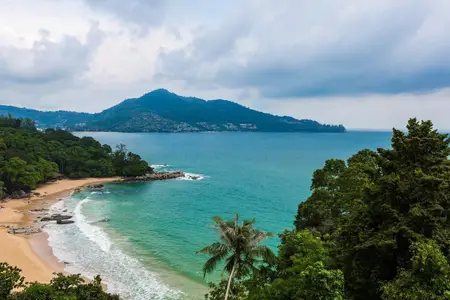
March is honestly one of the most underrated times of the year to travel in India. The brutal summer heat hasn't kicked in yet, the monsoon crowds are a distant memory, and you're sitting right in that golden window where the weather is just right. Whether you're dreaming of lapping up waves on a sun-drenched Goan beach, breathing in pine-scented air in Manali, or watching the morning light hit ancient ruins in Hampi — March makes it all possible. This guide covers 15 carefully picked destinations across beaches, hill stations, wildlife parks, cultural heritage sites, and the gorgeous Northeast. Let's find your perfect March escape.
Why Is March One of the Best Months to Travel?
March is the sweet spot for travel in India—pleasant weather, fewer crowds, and better prices between winter and peak summer. Hill stations open up with melting snow, beaches offer calm seas, the Northeast blooms in vibrant greens, and festivals like Holi and Shigmo add to the experience—making it a great value travel without peak-season chaos.
What Are the Best Beach Destinations to Visit in March in India?
March is essentially the last month you can enjoy Indian beaches without the summer sun making it unbearable. The water is warm, the skies are clear, and the tourist rush of December-January has eased off — making it genuinely one of the best times to be on a beach in India.
1. Goa
Goa in March is Goa at its most confident. The rains are long gone, the heat hasn't turned mean yet, and the beaches — whether you're on the party-forward North Goa strip of Baga and Calangute, or the laid-back, hammock-strung shores of Palolem and Agonda in the South — are absolutely stunning. The water temperature hovers around a very swim-friendly 27–28°C.
What makes March special in Goa is Shigmo — the Goan version of Holi that runs across the entire month with colourful street processions, folk performances, and a festive energy that's uniquely Konkani. If you've only ever seen the party-tourist version of Goa, March's Shigmo will show you the soul of the place. The seafood is at its freshest, the shacks are still open, and the sunsets over Chapora Fort or Arambol Beach will ruin you for ordinary sunsets forever.
Tip: If you're on a budget, South Goa gives you 70% of the beauty at 40% of the cost. Book a beach-facing cottage in Agonda — you won't regret it.
2. Andaman Islands
Few places in India make you feel like you've landed on another planet quite like the Andamans, and March is hands-down the best month to visit. The sea is calm — perfect for scuba diving, snorkelling, and sea-kayaking. Visibility underwater can reach up to 30 metres around Havelock Island (Swaraj Dweep), and the coral at Elephant Beach is genuinely world-class.
Radhanagar Beach on Havelock regularly shows up on 'Best Beaches in Asia' lists, and when you're standing there watching the turquoise water merge with a fiery sunset, you completely understand why. Neil Island (Shaheed Dweep) is quieter and more intimate — rent a bicycle, explore the coast, eat fresh grilled fish, and just exist for a few days. The Andamans don't need you to do much. They just need you to show up.
The ferry between Port Blair, Havelock, and Neil runs regularly in March — but book tickets in advance online through the Andaman government's ferry portal or via ZUUMM to avoid surprises.
3. Varkala

If Goa is the extrovert of Indian beach destinations, Varkala is the introvert — and in the best possible way. Perched above dramatic red-laterite cliffs overlooking the Arabian Sea, Varkala has this rare quality of feeling both spiritual and deeply relaxing at the same time. The Papanasam Beach below is considered sacred, and the cliff-top promenade above is lined with yoga shalas, Ayurvedic massage centres, and laid-back cafés serving fresh coconut water.
March brings near-perfect weather — warm days, cool evenings, and seas that are ideal for swimming. The water is cleaner here than at many more popular beaches, and the crowds are considerably thinner. Kerala's famous Ayurvedic treatment packages are something you should absolutely book here — a 90-minute Abhyanga massage after a long day of beach-sitting is one of life's genuine pleasures.
4. Pondicherry
Pondicherry in March offers charming French-style streets, peaceful sunrise walks at Promenade Beach, and a calm, reflective vibe at Sri Aurobindo Ashram and Auroville. With pleasant ~30°C weather, it’s perfect for cycling, café hopping, and enjoying a mix of French and Tamil cuisine.
Which Hill Stations Are Perfect for a March Holiday in India?
March kicks off hill station season in India, with melting snow, blooming rhododendrons, and crisp mountain air—perfect for both adventure and relaxation.
5. Manali
Manali in March offers the perfect mix of accessibility and snow—while Rohtang Pass remains snow-covered and closed, Solang Valley is ideal for skiing, sledding, and snow fun.
The Beas River flows strongly with snowmelt, and snow-capped peaks add to the scenic beauty, while Old Manali offers peaceful cafés, budding orchards, and stays near the serene Hadimba Devi Temple.
Note: Though Rohtang is closed, Atal Tunnel provides access to Sissu—a unique cold-desert landscape worth visiting.
6. Coorg & Munnar
These two destinations are vastly different, but in March both shine with stunning natural beauty.
Coorg comes alive with fragrant coffee blossoms, lush estates, flowing waterfalls like Abbey and Iruppu, and misty mornings in the Western Ghats—perfect for a serene plantation stay.
Munnar offers rolling tea gardens, scenic spots like Top Station and Mattupetty Dam, and wildlife at Eravikulam National Park, all in pleasant 15–20°C weather ideal for exploring.
7. Darjeeling
Darjeeling in March is something else entirely. The rhododendrons are in bloom — massive splashes of deep red and pink across green hillsides — and on a clear morning, the Kangchenjunga (the world's third-highest peak) appears from behind the clouds like a vision. The famous toy train (Darjeeling Himalayan Railway, a UNESCO World Heritage site) chugs through the misty valleys with a kind of unhurried dignity that feels like a throwback to another century.
The tea gardens are beginning their first flush of the season in March — the most prized Darjeeling tea of the year is this first flush, and if you can visit a garden and try freshly brewed first-flush tea with a view of the Himalayas, consider your life improved. Tiger Hill for the sunrise over Kangchenjunga, the Batasia Loop, the Peace Pagoda — Darjeeling packs an extraordinary amount of beauty into a very small hill town.
Where Should You Go in March for a Cultural & Heritage Experience?
India's cultural and heritage destinations hit differently in March — the cooler weather makes long walks through ruins and temples genuinely enjoyable, and the light (that warm, golden March light) makes everything look like a painting.
8. Rajasthan
Rajasthan in March is at the tail end of its travel season, which means the weather is still manageable (around 25–32°C) and the heritage sites haven't yet turned into baking-hot tourist traps. Jaipur's Amber Fort, the pink-walled City Palace, the Hawa Mahal — all are best experienced in the gentle morning light with thinner crowds than December-January. Jodhpur's blue city as seen from Mehrangarh Fort is one of the most visually arresting sights in all of India.
Holi in Rajasthan, particularly in Jaipur and Udaipur, is a legendary experience. Udaipur's Holi celebrations — with the City Palace as a backdrop and colours flying over the lake — are something that people travel specifically to witness. The lake cities of Udaipur, the desert silence of Jaisalmer, the medieval grandeur of Chittorgarh — Rajasthan in March offers all of this at a pace that lets you actually absorb the history.
9. Hampi
Hampi is one of those places where you keep stopping and just staring. The ruins of the Vijayanagara Empire spread across a surreal landscape of massive granite boulders, banana plantations, and the turquoise Tungabhadra River — and in March, the temperature (around 28–33°C) is warm but manageable, especially if you start your explorations at dawn and take a long afternoon break.
The Virupaksha Temple, the Vittala Temple with its famous stone chariot and musical pillars, the Hampi Bazaar, the Queen's Bath — each site here carries centuries of history, and Hampi has the rare quality of feeling genuinely ancient rather than curated for tourism. Rent a bicycle or a scooter and get lost between boulder fields and ruins. The sunsets from the Matanga Hill with the entire ruined kingdom spread below you are absolutely unforgettable.
10. Varanasi
Varanasi defies easy description. It's been continuously inhabited for over 3,000 years, and the Ganges Ghats feel like a portal into every layer of that history simultaneously. In March, the weather is perfect for the ghat experience — a pre-dawn boat ride on the Ganges as the city wakes up, watching the morning aarti at Dashashwamedh Ghat as smoke and chanting fill the air, wandering through the narrow lanes (galis) of the old city where temples and chai shops and silk weavers coexist in the same few square metres.
Holi in Varanasi — particularly at the Manikarnika Ghat and in the surrounding lanes — is one of India's most raw and immersive experiences. The colour doesn't feel performative here; it feels like an expression of something deeply held. Even if you're not a religiously inclined traveller, Varanasi forces a certain stillness and reflection that most places simply can't.
What Are the Best Wildlife & Nature Destinations to Visit in March?
March is arguably the best month for wildlife spotting in India. The grasses are short, water sources are limited (concentrating wildlife near remaining water holes), and the leafless trees give you clear sightlines. Your chances of spotting big cats and other wildlife are genuinely higher in March than almost any other month.
11. Jim Corbett
India's oldest national park, Jim Corbett in Uttarakhand, is where the Bengal tiger conservation story really began, and March is peak season here. The Dhikala zone — the most biodiverse and remote zone of the park — is open and accessible, and the grasslands (called chaurs) are dry enough to offer stunning, unobstructed views. Tiger sightings are at their highest frequency in March, and you're also likely to spot leopards, elephants, sloth bears, and hundreds of bird species.
The Ramganga River runs through the park, and a jeep safari along its banks in the early morning, with the mist still clinging to the water and the sounds of the jungle slowly waking up, is an experience that stays with you. Jim Corbett is also surrounded by beautiful forest rest houses and eco-lodges that make for a genuinely immersive stay.
12. Ranthambore
Ranthambore in Rajasthan sits at that glorious intersection of wildlife and history — the ruins of the 10th-century Ranthambore Fort loom dramatically over the park's lakes and grasslands, and the Bengal tigers here have grown remarkably comfortable with human presence. The tigers of Ranthambore are arguably the most photographed and easiest to spot in all of India, and March (before the park's partial closure in June) is peak time.
The lakes — Padam Talao, Malik Talao, Rajbagh — are where the tigers come to drink in March's dry heat, and a patient wait near a water body in the early morning or late afternoon can reward you with the kind of wildlife encounter that justifies the entire trip. Beyond tigers, Ranthambore has gharials, marsh crocodiles, leopards, and a spectacular array of waterbirds.
13. Kaziranga
Kaziranga National Park in Assam is one of India's proudest wildlife conservation successes — home to the world's largest population of the Indian one-horned rhinoceros. The park has a Wild West quality in March: vast floodplains, tall elephant grass, swampy water holes, and a density of wildlife that's simply staggering. The number of tigers here is actually higher per square kilometre than anywhere else in India, though the tall grass means they're harder to spot than in Ranthambore.
The rhinos, though, are unmissable — you'll see multiple individuals within the first hour of any safari. Elephants, wild water buffaloes, barasingha (swamp deer), and hundreds of migratory bird species make Kaziranga a wildlife lover's dream. March is right at the end of the tourist season (the park floods in monsoon), so book safaris and accommodation well in advance.
Which Northeast India Destinations Are Best to Explore in March?
The Northeast in March is nature at its most theatrical. The rhododendrons, orchids, and cherry blossoms are in full bloom, the weather is mild and clear, and the tourist crowds are thin enough that you often feel like you have entire landscapes to yourself. If you haven't been to the Northeast, March is the very best argument for going.
14. Sikkim
Sikkim in March is breathtaking in the most literal sense. The state is still crisp and cool (around 10–18°C in Gangtok, colder in the higher regions), but the cherry blossoms and rhododendrons are just beginning their spectacular seasonal display. Yuksom, the ancient capital of Sikkim, is surrounded by forests of rhododendrons in this season — walking through them with the snow-covered Kangchenjunga visible above is a genuinely moving experience.
Nathula Pass, the historic trading route on the Indo-China border, is open to Indian tourists in March with permits, and the drive up to 4310 metres through snow-clad peaks is extraordinary. The monasteries — Rumtek, Pemayangtse, Tashiding — are serene and deeply atmospheric. Sikkim also has some of the best cuisine in the Northeast: momos, thukpa, and the local Chhang (millet beer) are things you should definitely explore.
15. Meghalaya
Meghalaya — 'the abode of clouds' — is probably India's most visually dramatic destination, and March is a wonderful time to visit because you get all the lush green beauty without the full monsoon deluge (that arrives in June). Cherrapunji (Sohra) and Mawsynram, the wettest places on Earth, still receive dramatic rainfall in March, creating misty landscapes and roaring waterfalls that seem to fall from the sky itself.
The living root bridges of Nongriat — literally bridges made from the aerial roots of rubber trees, grown over decades into functional crossings — are one of the true wonders of the natural world, and the trek down to the double-decker root bridge and the Rainbow Falls is one of the most rewarding day hikes in India. Dawki, with its impossibly clear river where you can see the riverbed from a boat, and Mawphlang Sacred Grove, an ancient forest preserved by indigenous tradition, are also not to be missed. Meghalaya will change how you think about what 'natural beauty' means.
What Is the Best Budget for a March Vacation in India?
One of the best things about March travel in India is that you're in the shoulder season for most destinations — not peak December pricing, but not the rock-bottom deals of the off-season either. Here’s a practical overview:
- Budget travel costs ₹1,500–₹2,500 per person per day, covering hostels/guesthouses, street food, and local transport.
- Mid-range travel costs ₹3,500–₹6,000 per person per day, including 3-star hotels, a mix of dining, and cabs/taxis.
- Luxury travel costs ₹8,000–₹20,000+ per person per day, with resort or heritage stays, fine dining, and private experiences.
A beach trip to Goa or Varkala will generally cost less than a wildlife safari (safaris, park fees, and lodge stays add up). Cultural trips to Rajasthan or Varanasi sit comfortably in the mid-range bracket. Northeast destinations like Meghalaya and Sikkim have become more accessible in recent years but still require some investment in logistics.
On ZUUMM, you'll always see exactly what you're paying — zero convenience fees, zero hidden charges. What you see is what you book. That transparency makes a real difference when you're comparing multiple destinations and trying to stay within budget.
Quick Travel Tips for Visiting Places in March
- Book flights and accommodations 3–4 weeks in advance — March is popular and prices rise quickly for good reason.
- Pack in layers for hill stations. Mornings and evenings can be quite cold even in March, but afternoons warm up significantly.
- Carry light cottons for beach and cultural destinations — March days can touch 30–34°C in southern India.
- Check local festival dates before you go. Holi falls in March (exact date varies by year) and dramatically changes the experience at most destinations — usually for the better.
- For wildlife safaris, book in advance and request early morning slots — morning light and cooler temperatures mean more animal activity.
- In the Northeast, carry some cash — ATMs are limited in remote areas like Nongriat or Upper Sikkim.
- Download offline maps for hill destinations — network connectivity in Manali, Coorg highlands, and parts of Meghalaya can be patchy.
- For beach destinations, apply reef-safe sunscreen — both for your skin and for the marine ecosystems you're snorkelling over.
Frequently Asked Questions
Goa is the top pick for families, offering beaches, water sports, forts, and kid-friendly activities.
Yes, March is ideal as winters ease, weather is pleasant, and nature starts blooming across hill stations.
Manali, Coorg, Munnar, and Darjeeling are perfect choices.
Yes, beaches like Goa, Varkala, Pondicherry, Andaman and Nicobar Islands are at their best.
Carry light cottons for beaches, a light jacket for hills, modest outfits for temples, plus sunscreen, comfy shoes, and a power bank.
A 5-night trip typically costs ₹25,000–₹50,000 for two (mid-range), excluding premium safari add-ons.
Rajasthan, Varanasi, Hampi, and Pondicherry offer rich heritage and pleasant weather.