
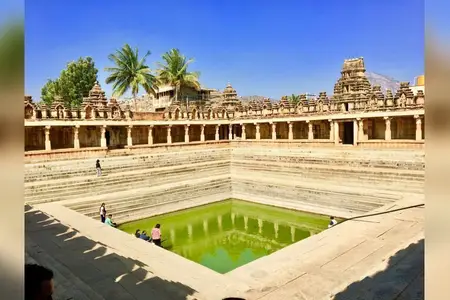
India, often called the land of temples, is where spirituality, history, and architecture come together in perfect harmony. Temples here are more than places of worship—they are emblems of devotion, artistry, and cultural heritage. Each temple tells a story: of kings and dynasties, of myths and legends, and of centuries of architectural brilliance.
Exploring these sacred spaces allows travelers to admire intricate carvings, majestic architecture, and vibrant rituals, while also feeling the profound spiritual energy that has attracted pilgrims for generations. Whether you are a history buff, a culture enthusiast, or someone seeking a soulful journey, India’s temples promise an unforgettable experience.
Ancient Temples in India with Rich History
India is home to ancient temples that stand as testaments to its rich history and architectural genius. The Konark Sun Temple in Odisha, built in the 13th century, is a UNESCO World Heritage site renowned for its intricate stone carvings, chariot-shaped structure, and astronomical significance. Similarly, the Brihadeeswarar Temple in Tamil Nadu, constructed in the 11th century, showcases monumental Dravidian architecture, massive gopurams, and exquisite sculptures, reflecting the grandeur of the Chola dynasty.
Visiting these temples offers travelers a glimpse into India’s artistic brilliance, engineering mastery, and historical legacy, making them not just places of worship but living chronicles of India’s glorious past.
1. Golden Temple, Amritsar

The Golden Temple, or Harmandir Sahib, is the spiritual heart of Sikhism. Its gold-plated architecture, serene Amrit Sarovar, and Langar serving thousands daily symbolize devotion, humility, and community service. Visitors can witness peaceful prayers, spiritual hymns, and vibrant Sikh traditions, making it a soul-stirring experience.ditions. Its grandeur, serenity, and inclusive spirit make it a must-visit destination in India.
Best time to visit: November to March
Visiting Time: Open 24/7, but usually preferred at (4-6 AM): For peacefulness and to witness the morning rituals and (5-6 PM onwards): To see the temple illuminated at dusk.
Important Tips for Visitors:
- The temple welcomes everyone, and entry is completely free, regardless of faith.
- Dress respectfully and cover your head—scarves are typically available on-site.
- Please remove your shoes before stepping into the temple premises.
- Be sure to experience the Langar, the free community meal served to all visitors.
2. Vaishno Devi Temple, Jammu

The Vaishno Devi Temple, perched in the Trikuta Hills near Katra, Jammu, is one of the most revered pilgrimage sites in India. Dedicated to Goddess Vaishno Devi, it draws millions of devotees annually. The temple’s spiritual significance, combined with the scenic Himalayan landscape, makes the trek a deeply fulfilling experience. Pilgrims undertake a 13 km uphill trek, often facing challenging terrain, but are rewarded with divine blessings and breathtaking mountain views.
Best time to visit: March to October
Visiting Time: 5:00 am – 12:00 pm & 4:00 pm – 9:00 pm (shrine is generally open 24/7, but Darshan Timing is mentioned here).
Important Tips for Visitors:
- Book your entry passes online before beginning your journey to avoid long queues at offline counters.
- Reserve dormitories or rooms at Bhawan or Adhkuwari well in advance, as slots fill up quickly once bookings open.
- Avoid weekends and festival periods when planning your visit; weekdays are less crowded and more comfortable.
- If you plan to undertake the Vaishno Devi Yatra by helicopter, ensure you book tickets at least 60 days in advance to secure availability.
3. Siddhivinayak Temple, Mumbai

Siddhivinayak Temple is one of Mumbai’s most revered spiritual landmarks, dedicated to Lord Ganesha—the remover of obstacles. Known for its unique black stone idol with a trunk curved to the right, the temple attracts devotees from all walks of life, including celebrities and leaders. Its serene yet powerful atmosphere, combined with deep-rooted faith, makes Siddhivinayak a symbol of hope, prosperity, and devotion in the heart of the city.
Best time to visit: October to March
Visiting Time: 5:30 am to 9:50 pm
Important Tips for Visitors:
- Mobile phones are prohibited inside the temple premises.
- Photography is strictly not allowed inside the sanctum.
- Visitors are advised to dress modestly and respectfully.
- Please adhere to queue rules and follow staff instructions.
- Carry minimal personal belongings for convenience.
- Locker facilities are available near the temple for storing mobiles and bags.
4. Kashi Vishwanath Temple, Varanasi
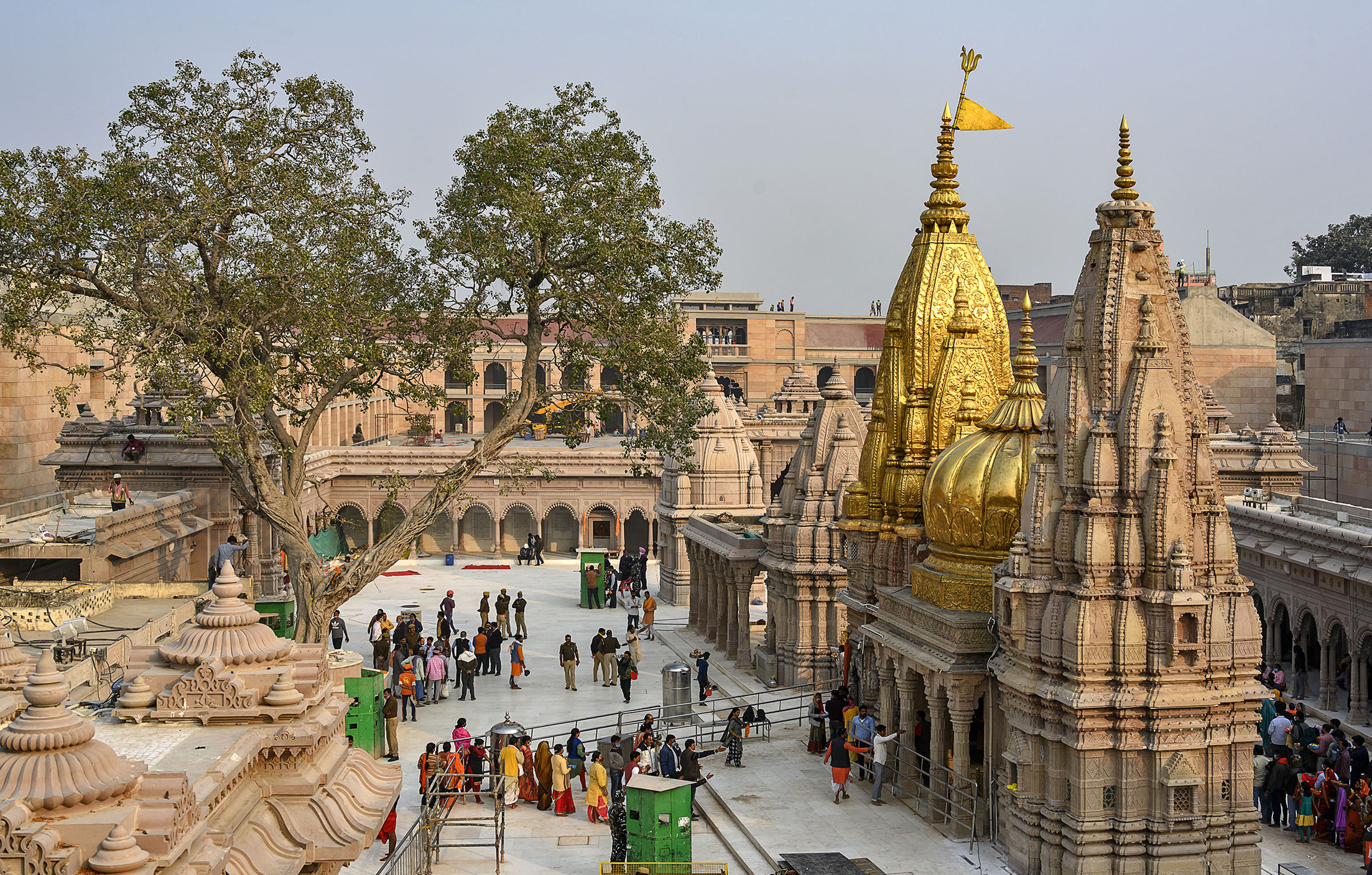
The Kashi Vishwanath Temple, dedicated to Lord Shiva, is one of the holiest temples in India and a key part of the twelve Jyotirlingas. Located on the banks of the sacred River Ganga, the temple holds immense spiritual significance and is believed to grant liberation (moksha) to devotees. Its golden spire, powerful rituals, and deep-rooted connection to ancient Hindu traditions make it a cornerstone of spiritual life in Varanasi.
Best time to visit: October to March
Visiting Time: 4:00 am to 11:00 am
Important Tips for Visitors:
- Reach the temple early in the morning to minimize waiting time
- Carry only basic essentials to ensure smooth entry
- Keep a copy of your identification documents handy
- Wear comfortable footwear, as walking may be required
- Reserve aarti or special puja slots in advance whenever possible
- Follow temple staff instructions carefully, especially during peak hours and crowd movement
5. Somnath Temple, Gujarat
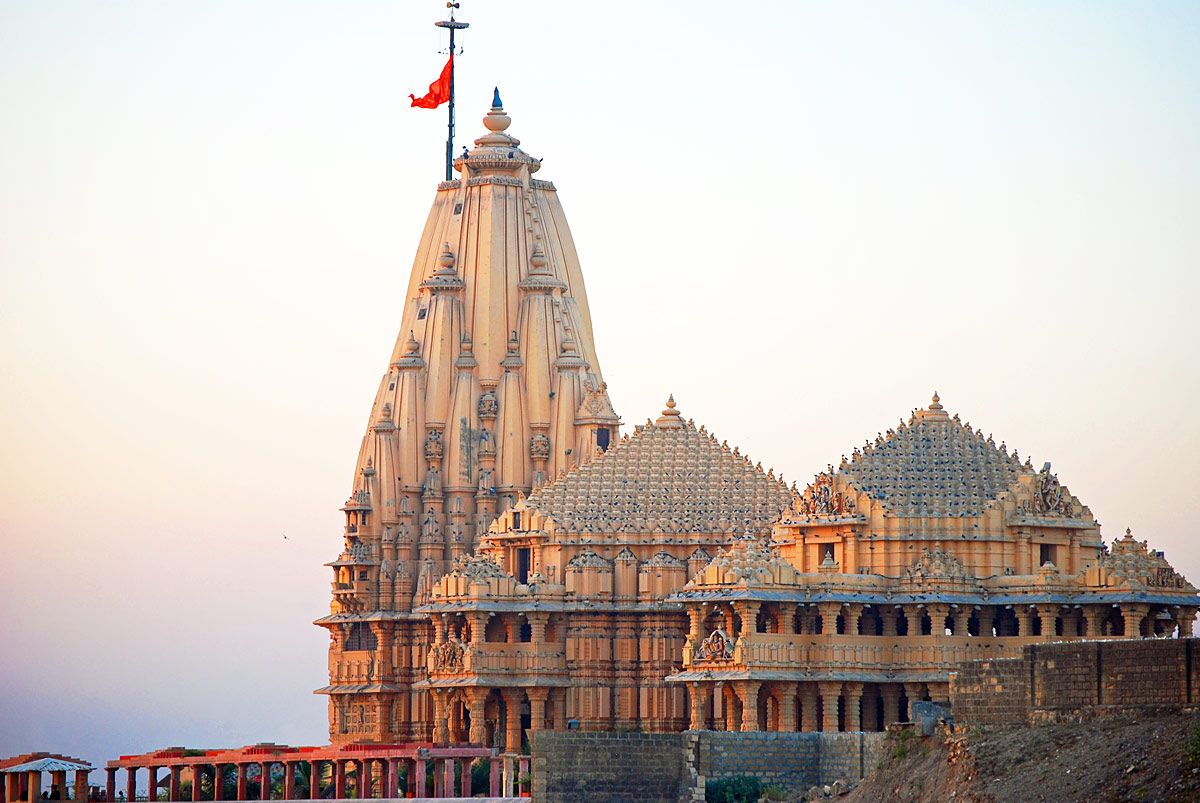
Somnath Temple is one of the most sacred and historically significant temples in India, revered as the first among the twelve Jyotirlingas of Lord Shiva. Situated on the shores of the Arabian Sea, the temple stands as a powerful symbol of faith, resilience, and spiritual strength, having been rebuilt several times after repeated invasions. Its grand Chalukya-style architecture, serene coastal setting, and soul-stirring aartis create a deeply moving experience for devotees and visitors alike.
Best time to visit: October to March
Visiting Time: 6:00 am to 12:00 pm
Important Tips for Visitors:
- The evening light and sound show (8:00 pm to 9:00 pm) is highly recommended.
6. Swaminarayan Akshardham Temple, Delhi
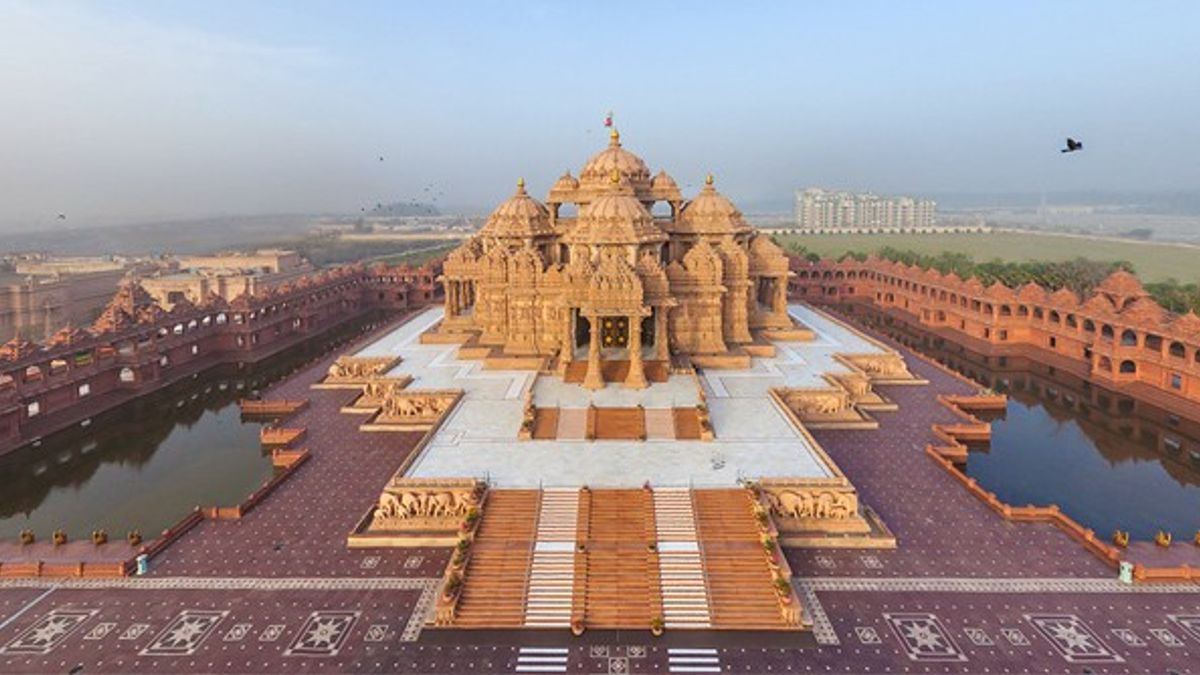
Swaminarayan Akshardham Temple is a modern architectural marvel and a symbol of India’s spiritual, cultural, and artistic heritage. Dedicated to Bhagwan Swaminarayan, the temple complex showcases exquisite stone carvings, majestic domes, and intricately designed pillars crafted without the use of steel. Beyond worship, Akshardham offers immersive exhibitions, cultural boat rides, and landscaped gardens, making it a unique blend of spirituality and education.
Best time to visit: October to March
Visiting Time: 10:00 am to 6:30 pm
Important Tips for Visitors:
- Temple is Closed on Monday
- Set aside at least 4–5 hours so you can explore the entire place at a relaxed pace and truly enjoy the experience without rushing.
- You can enjoy the Water Show after sunset—usually around 7:45 PM which lasts for approximately 24 minutes.
7. Meenakshi Amman Temple, Madurai
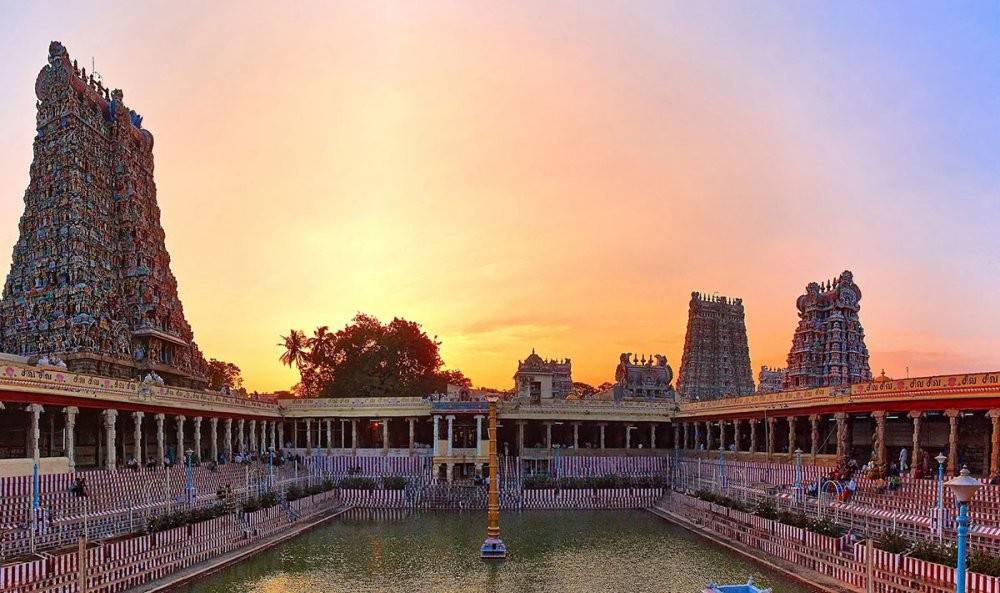
Located in the heart of Madurai, the Meenakshi Amman Temple is one of the most magnificent and architecturally stunning temples in India. Dedicated to Goddess Meenakshi (a form of Parvati) and Lord Sundareswarar (Shiva), the temple is a living example of South Indian Dravidian architecture at its finest.
Best time to visit: October to March
Visiting Time: 10:00 am to 6:30 pm
Important Tips for Visitors:
- Dress modestly, clothing that covers shoulders and knees is recommended.
8. Brihadeeswarar Temple, Tamil Nadu

Also known as the Big Temple, the Brihadeeswarar Temple in Thanjavur is a UNESCO World Heritage site and a crown jewel of Chola architecture. Built in the 11th century by Raja Raja Chola I, it stands as a testament to South India’s architectural brilliance and devotion.
One of the most fascinating facts about Brihadeeswarar Temple is that its massive 66-meter-high vimana was built entirely out of granite—without modern machinery—over a thousand years ago. Even more astonishing, the towering structure casts no shadow at noon for most of the year, showcasing the advanced architectural and astronomical knowledge of the Chola dynasty. The temple’s sheer scale, precision engineering, and timeless beauty continue to leave historians, architects, and visitors in awe.
Best time to visit: October to March
Visiting Time: 6:00 am to 12:30 pm and 4:00 pm to 8:30 pm
Important Tips for Visitors:
- Photography is permitted throughout the temple premises, except within the Sanctum Sanctorum.
9. Konark Sun Temple, Odisha
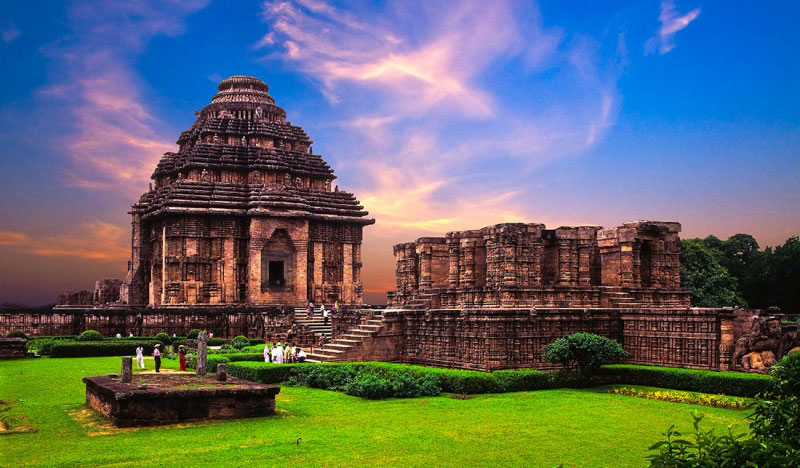
The Konark Sun Temple is an architectural wonder shaped like a chariot with elaborate stone carvings depicting mythological tales. It is a UNESCO World Heritage site and a marvel of medieval engineering.
An interesting fact about the Konark Sun Temple is that its massive stone wheels are believed to function as sundials—the shadows cast by the spokes can accurately tell the time of day. This shows the remarkable scientific knowledge and precision of ancient Indian architects.
Best time to visit: October to February
Visiting Time: 6:00 am to 8:00 pm
Important Tips for Visitors:
- Thorough Visit typically takes approx 2 hrs
- It is best visited during sunrise to experience the beauty of Carvings on the temple.
- Popular Light & Sound Show, starts around 7:30 pm with tickets available to purchase from 6:30 pm.
10. Dwarkadeesh Temple, Gujarat
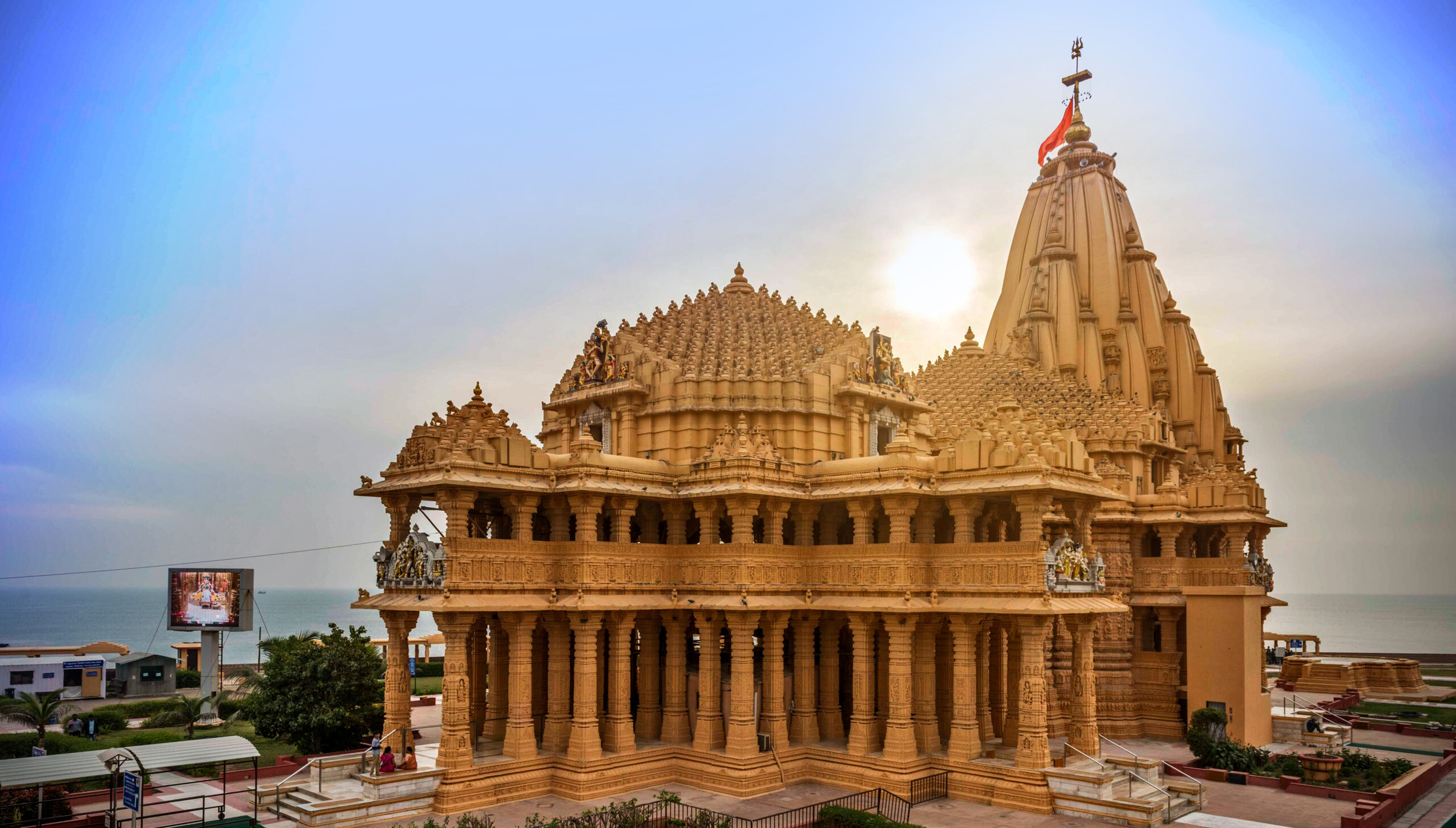
Dwarkadeesh Temple, also known as Jagat Mandir, is one of the Char Dham pilgrimage sites and is believed to be the ancient kingdom of Lord Krishna established over 2,500 years ago. Overlooking the Gomti River, the temple stands as a symbol of devotion, faith, and rich mythological heritage. Its five-storied structure, intricately carved stonework, and towering spire reflect classic Hindu architectural brilliance. Daily rituals, bhog offerings, and aartis create a deeply spiritual atmosphere for devotees and visitors alike.
Best time to visit: October to March
Visiting Time: 6:30 am to 1:00 pm & 5:00 pm to 9:30 pm
Important Tips for Visitors:
- Arrive 30–45 minutes early, especially for special aartis or on Janmashtami.
Conclusion: A Journey Through the Most Famous Temples in India
India’s famous temples are far more than architectural landmarks—they are living symbols of faith, history, and cultural continuity. Each temple reflects centuries of devotion, artistic excellence, and spiritual wisdom, offering visitors a chance to connect deeply with India’s timeless traditions. From sacred rituals and grand festivals to intricate carvings and serene atmospheres, these temples create experiences that are both spiritually uplifting and culturally enriching.
Whether you seek inner peace, historical insight, or a meaningful travel experience, exploring India’s renowned temples is a journey worth taking.
Plan your temple visits mindfully to immerse yourself in the spiritual essence and rich heritage that continue to inspire millions across generations.
Start planning today and let zuumm turn your sacred travel aspirations into a beautifully organized reality.
Frequently Asked Questions
Golden Temple, Vaishno Devi, Siddhivinayak, Kashi Vishwanath, Somnath, Akshardham Delhi, Meenakshi Amman, Brihadeeswarar, Konark Sun Temple, Dwarkadeesh Temple.
Popular ones include Kashi Vishwanath (Varanasi), Jagannath Temple (Puri), Somnath (Gujarat), and Rameswaram (Tamil Nadu).
Some of the oldest temples include the Brihadeeswarar Temple in Tamil Nadu and Mahabalipuram temples.
They are spread across India, including Kashi Vishwanath, Somnath, Mahakaleshwar (Ujjain), Omkareshwar, Kedarnath, and others.
The Kedarnath Jyotirlinga is considered one of the most challenging to visit due to its high-altitude location and trekking requirements.