
Key Takeaways
- India's best summer destinations include hill stations, misty valleys, coastal islands, and offbeat northeastern gems.
- Manali, Shimla, Ooty, Munnar, and Darjeeling are top picks for beating the heat at altitude.
- Families love Coorg, Nainital, and Kodaikanal for their cool climates and outdoor activities.
- Andaman & Nicobar Islands and Pondicherry offer beach escapes with pleasant sea breezes.
- Couples can find romance in Gangtok, Shillong, and Tawang — scenic, serene, and crowd-free.
- Zuumm AI helps you plan your entire summer trip in minutes — no stress, no tab overload.
Why Should You Plan a Summer Trip in India?
Hear us out — summer in India gets a bad reputation, and honestly? It's a bit unfair. Yes, the plains turn into a furnace between April and June. But up in the hills, along the coasts, and tucked away in the northeast, India transforms into something magical.
Here's why summer is actually a brilliant time to travel:
- School holidays mean families can finally travel together without juggling calendars.
- Hill stations are at their greenest and most alive — waterfalls are fuller, air is crisp, and the views are jaw-dropping.
- Coastal spots that get crowded in winter? Often quieter (and cheaper!) in summer.
- It's your last window before the monsoon rolls in and makes some routes tricky to access.
So instead of sweating it out at home or blasting the AC all day, why not chase cooler temperatures across India? There's a whole country waiting to be explored — and this guide will show you exactly where to go.
What Are the Best Places to Visit During Summer in India?
India is gloriously diverse, and that diversity really shines in summer. While the northern plains shimmer in 45°C heat, the Himalayas stay delightfully cool. The Western Ghats get lush and green. The islands in the Bay of Bengal remain breezy and blue.
From hill stations draped in mist to forested valleys, sun-kissed islands, and hidden mountain monasteries — there's a summer destination in India for every kind of traveller. Whether you're a family looking for a safe, easy getaway, a couple hunting for romance, or a solo explorer ready to go offbeat, we've got 18 incredible places lined up for you.
Which Are the Best Hill Stations to Visit in India During Summer?

India's hill stations were literally built for summer. The British set them up as cool retreats during the colonial era, and honestly, the idea still holds up beautifully. Here are the six best hill stations to visit when the mercury climbs:
1. Manali, Himachal Pradesh
Manali is the kind of place that makes you forget the rest of the world exists. Sitting at 2,050 metres in the Kullu Valley, it's one of India's most beloved summer escapes — and for good reason. The Beas river rushes through town, apple orchards dot the hillsides, and the snow-capped Rohtang Pass looms overhead like a giant postcard.
Summer here means temperatures between 10°C and 25°C — light jacket territory, not the inferno you left behind. Rohtang Pass (open from May) draws snow lovers, while Solang Valley offers everything from paragliding to zorbing. For the spiritually inclined, the ancient Hadimba Temple nestled in a cedar forest is a must-visit.
Pro tip: If you want to also explore Spiti Valley, Manali makes a perfect base. Just book your accommodation early — this place fills up fast in peak summer.
2. Shimla, Himachal Pradesh
Shimla is perhaps India's most iconic hill station, and it wears that crown with effortless charm. The colonial architecture, the pedestrian-only Mall Road, the toy train winding through the mountains — there's a nostalgic warmth to Shimla that never gets old.
In summer, temperatures hover between 15°C and 30°C, making it ideal for long walks, café-hopping, and soaking in mountain views. The Jakhu Temple trek rewards you with panoramic vistas (and probably a cheeky monkey stealing your snacks). Nearby Kufri offers pony rides and apple picking if you're travelling with kids.
What sets Shimla apart is how effortlessly it blends old-world charm with modern convenience. It's accessible, well-connected, and genuinely beautiful — perfect for first-time hill station visitors.
3. Mussoorie, Uttarakhand
There’s a reason it’s called the ‘Queen of Hills’. Mussoorie, perched at 2,000 metres in the Garhwal Himalayas, offers some of the most breathtaking views of the Doon Valley and distant Himalayan peaks. On a clear morning, it genuinely looks like a painting.
Kempty Falls is the crown jewel — a 40-foot waterfall where you can take a dip and cool off in crystal-clear mountain water. Lal Tibba, the highest point in Mussoorie, gives you sweeping views of Badrinath and Kedarnath. And Gun Hill, reachable by ropeway, is perfect for a romantic evening watching the sun set over the mountains.
Temperature-wise, expect a comfortable 15°C–30°C range. Evenings can get cool, so carry a light jacket. The Landour area, a short drive away, is quieter and even more charming — beloved by writers and artists for decades.
4. Darjeeling, West Bengal
Darjeeling is an experience that engages all your senses. The smell of first-flush Darjeeling tea drifting from hillside gardens. The distant rumble of the Darjeeling Himalayan Railway — the beloved Toy Train. The sight of Kanchenjunga, the world's third-highest peak, glowing pink at sunrise from Tiger Hill.
At 2,000+ metres, summer temperatures stay between 12°C and 25°C. The Toy Train ride through foggy mountain passes is a UNESCO-listed experience you shouldn't miss. Batasia Loop, Peace Pagoda, and the Himalayan Mountaineering Institute round off a full itinerary.
Darjeeling also appeals to tea connoisseurs — most estates welcome visitors for tours and tastings during summer, when the second flush (May-June) is harvested. It's one of the most culturally rich hill stations in India, blending Nepali, Tibetan, and colonial Bengali influences into something truly unique.
5. Ooty, Tamil Nadu
In South India, Ooty is THE summer destination. Set in the Nilgiri Hills at 2,240 metres, it's a world of tea gardens, eucalyptus forests, and cool mountain air that feels completely removed from the sweltering plains of Tamil Nadu.
The Ooty Lake boat ride is a classic, as is the Nilgiri Mountain Railway — another UNESCO World Heritage toy train experience. The Government Botanical Garden, established in 1848, blooms spectacularly in summer. Doddabetta Peak, the highest point in the Nilgiris, offers views stretching all the way to the Deccan Plateau on a clear day.
Summer temperatures range from 10°C to 25°C. It's the most popular hill station in South India for a reason — but book early, because every family in Tamil Nadu, Karnataka, and Andhra Pradesh has the same idea.
6. Munnar, Kerala
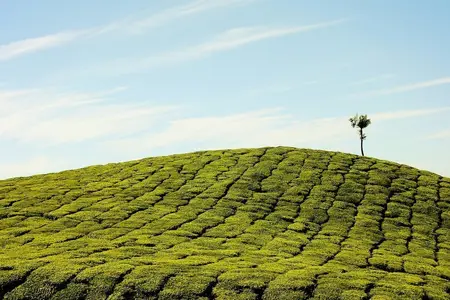
If Ooty is South India's summer crown, Munnar is its emerald jewel. Tucked into the Western Ghats at about 1,600 metres, Munnar is draped in endless rolling carpets of tea plantations that turn every hillside into a patchwork of green.
What makes Munnar special in summer is the combination of cool weather (15°C–25°C), misty mornings, and the lush transformation that comes just before monsoon season. Eravikulam National Park is home to the endangered Nilgiri Tahr, the park is usually open until May before closing for monsoon. Attukad Waterfalls and Top Station (offering views of Tamil Nadu on one side and Kerala on the other) are must-dos.
Munnar is also one of the best places in India for an Ayurvedic retreat — many resorts in the area offer packages that combine wellness with the mountain setting. Perfect for couples and anyone needing a genuine detox from city life.
What Are Some Summer Vacation Spots For Families?
Travelling with kids in Indian summer? You need destinations that are not just cool (literally) but also packed with activities that keep little ones entertained and parents sane. These four spots deliver on both counts.
7. Coorg, Karnataka
Coorg — or Kodagu — is one of Karnataka's best-kept secrets, though the secret is slowly getting out. Nicknamed the 'Scotland of India' for its rolling mist-covered hills and coffee plantations, Coorg sits at around 1,500 metres and stays pleasantly cool through summer.
Families love it for the sheer variety of things to do: elephant camp visits at Dubare, white-water rafting on the Barapole river, trekking to Tadiandamol Peak, and exploring Abbey Falls through coffee and spice estates. The food here — pandi curry, kadumbuttu — is exceptional and unlike anything you'll find elsewhere in South India.
It's a relatively easy drive from Bangalore (4–5 hours), which makes it a popular weekend escape. But it rewards those who stay longer and explore deeper.
8. Nainital, Uttarakhand
Nainital is one of those places that captures your heart the moment you arrive. Built around the stunning Naini Lake in the Kumaon Himalayas, the town rises steeply on all sides, giving it a dramatic, almost theatrical quality.
In summer, the lake shimmer is gorgeous and boat rides are a must. The Mall Road along the lakeside is perfect for evening strolls with ice cream in hand. Cable car rides to Snow View Point give you Himalayan panoramas that kids absolutely love. Tiffin Top and Land's End are scenic picnic spots that reward short hikes.
Temperatures stay between 10°C and 27°C in summer. It's well-connected by road and rail (to Kathgodam), making logistics easy for families. If you want a quieter alternative, nearby Bhimtal and Sattal offer similar charm with significantly fewer crowds.
9. Kodaikanal, Tamil Nadu
Kodaikanal is Ooty's quieter, more mystical sibling. Known as the 'Princess of Hill Stations', it sits at 2,133 metres in the Palani Hills and wraps itself in mist for much of the day, giving everything a dreamy, watercolour quality.
Kodaikanal Lake is the centrepiece — cycling around its perimeter is a rite of passage for every visitor. Coaker's Walk offers stunning valley views on clear mornings. Dolphin's Nose, Silver Cascade Falls, and Pillar Rocks make for a full day of exploration. The town's chocolate shops, homemade cheese stalls, and quiet cafés give it a distinctly European mountain-town vibe.
It's cooler than Ooty (temperatures can dip to 8°C at night in summer) and feels less commercialised. A brilliant choice for families who want natural beauty, clean mountain air, and a relaxed pace.
10. Spiti Valley, Himachal Pradesh
Spiti Valley isn't for the faint-hearted — and that's precisely why it's magic. This high-altitude desert valley, sandwiched between the Himalayas and the Tibetan plateau, is accessible only in summer (May–October) and offers landscapes that look like they belong on Mars.
Ancient Buddhist monasteries — Ki, Tabo, Dhankar — cling to cliffsides at altitudes above 3,500 metres. Key Monastery is one of the oldest in the region and offers an extraordinary window into Tibetan Buddhism. The Chandratal Lake (4,300m) is a shimmering turquoise jewel at high altitude that leaves every visitor speechless.
It's best suited for adventurous families with older children and those who don't mind basic accommodation and limited connectivity. Give yourself at least 5–7 days to acclimatise properly and explore. The reward is a place that feels utterly untouched by the modern world.
Are There Any Cool Beach Destinations to Visit in India in Summer?
Beach + Indian summer sounds like a recipe for a heatstroke — but not if you pick the right beaches. These destinations stay cooler thanks to sea breezes and are far less crowded than they are in the peak winter season.
11. Andaman & Nicobar Islands
The Andaman Islands are India's tropical paradise, and summer is actually a fantastic time to visit — before the monsoon arrives in May and sea conditions deteriorate. Temperatures hover around 25°C–30°C, but the constant sea breeze and lower humidity make it far more comfortable than the mainland.
Radhanagar Beach on Havelock Island consistently ranks among Asia's best beaches. Elephant Beach offers some of India's finest snorkelling. Neil Island is quieter and perfect for couples and solo travellers. Cellular Jail in Port Blair is a powerful piece of Indian history that every visitor should experience.
Book your ferry transfers between islands in advance — they fill up quickly, especially for the popular Havelock route. Seaplane options are available if you want to splurge for a spectacular aerial view.
12. Pondicherry, Tamil Nadu
Pondicherry is not your typical beach destination — and that's what makes it so compelling. This former French colony on the Coromandel Coast has an almost Mediterranean quality: wide tree-lined boulevards, mustard-yellow colonial buildings, and a waterfront promenade that's perfect for early morning walks.
In summer, sea breezes keep the temperatures manageable (28°C–32°C). The French Quarter is a delight to explore on a rented cycle. Auroville, the experimental township on the outskirts, is a fascinating detour. Paradise Beach, accessible only by boat, offers clean sands and calm waters.
Pondicherry is also one of India's best foodie destinations — the French-Tamil fusion cuisine is genuinely unlike anything else you'll eat in India. Pair it with the excellent local coffee and the experience is complete.
13. Lakshadweep, Kerala
If Andaman is India's popular tropical gem, Lakshadweep is its exclusive secret. This archipelago of coral atolls off the Kerala coast has strictly controlled tourist numbers — which means pristine lagoons, untouched reefs, and beaches with no hawkers, no crowds, and no noise.
Agatti, Bangaram, and Kadmat islands offer some of the best diving and snorkelling in India. The water is a shade of turquoise you'll struggle to photograph accurately. April–May is a good window before the southwest monsoon transforms the sea. Entry requires a special permit, but that's part of what protects this paradise.
What Are the Best Offbeat Summer Destinations in India?
Tired of the crowds at Manali and Shimla? India has a wealth of hidden gems that most tourists haven't discovered yet. These offbeat destinations offer the same (sometimes better) mountain beauty — without the selfie-stick traffic jams.
14. Tawang, Arunachal Pradesh
Tawang is one of India's most spectacular and least-visited destinations. Located in Arunachal Pradesh near the Tibetan border at 3,000 metres, it's home to the largest monastery in India (and second largest in Asia) and landscapes that are jaw-droppingly beautiful.
June is actually a great month to visit — the roads are accessible, the meadows are in full bloom, and the weather (10°C–20°C) is comfortable. Sela Pass (4,170m) on the route from Tezpur is itself a destination. Nuranang Waterfalls and the Tawang War Memorial add depth to the journey.
You'll need an Inner Line Permit, which is easy to arrange. Connectivity is limited — embrace the digital detox. This is the kind of place that resets your perspective on everything.
15. Chopta, Uttarakhand
Called the 'Mini Switzerland of India' by those who've been, Chopta is a tiny meadow village in the Garhwal Himalayas that serves as the base for treks to Tungnath (the world's highest Shiva temple) and Chandrashila Peak. In summer, the entire area is blanketed in wildflowers and the views of the Himalayan range are unobstructed.
Temperatures stay between 5°C and 20°C. It's uncrowded, affordable, and spectacularly beautiful. The four-kilometre trek to Tungnath and the additional kilometre to Chandrashila (3,680m) is doable for reasonably fit travellers. The 360-degree Himalayan panorama from the top — including Nanda Devi, Trishul, and Kedarnath — is genuinely life-changing.
16. Khajjiar, Himachal Pradesh
Khajjiar is Himachal Pradesh's best-kept secret — though it technically holds a certificate from the Swiss Embassy as one of only 160 places worldwide to be declared a 'Mini Switzerland'. The resemblance is real: a circular meadow ringed by dense Deodar cedar forests, with a small lake at its heart and snow-capped peaks in the distance.
It's just 24 kilometres from Dalhousie, making it an easy day trip or short overnight stay. Activities include horse riding, zorbing, zip-lining, and simply lying in the meadow and staring at the sky — which, honestly, may be the best option. Summer temperatures are 15°C–25°C. Quiet, beautiful, and surprisingly underrated.
Indian Summer Destinations for Couples
India's northeast and eastern hills offer a different kind of romance — one built on fog-wrapped mornings, monastery bells, rhododendron forests, and the feeling of standing at the edge of the world together.
17. Shillong, Meghalaya
Shillong, the 'Scotland of the East', is a city unlike any other in India. Its colonial architecture, vibrant music scene (it's the rock music capital of India), and surrounding natural beauty create a destination that feels effortlessly cool.
Umiam Lake, just outside the city, is a reservoir ringed by pine-covered hills — stunning for sunsets. Elephant Falls, Shillong Peak, and the famous Living Root Bridges of nearby Cherrapunji are nearby day trips. Temperatures in summer hover around 15°C–25°C, and the pre-monsoon rains add a moody, cinematic quality to the landscape.
Shillong has an excellent café culture, great live music venues, and some of the most welcoming locals you'll encounter anywhere in India. Perfect for couples who want beauty, culture, and good food in equal measure.
18. Gangtok, Sikkim
Gangtok is romance distilled into a hill town. The capital of Sikkim sits at 1,650 metres and looks out towards Kanchenjunga on clear days — a view that will leave you completely wordless. The town itself is clean, well-planned, and full of excellent restaurants, handicraft shops, and rooftop cafés.
The ropeway ride offers aerial views over the town and valley. Tsomgo Lake (3,780m) and Nathula Pass (near the Chinese border, 4,310m) are extraordinary day trips in summer, when the roads are fully open. Rumtek Monastery, one of the largest in India, is a spiritual anchor to any visit.
Sikkim is India's cleanest state and plastic is officially banned — the freshness of the environment here is genuinely palpable. For couples, the combination of natural grandeur, cultural depth, and logistical ease makes Gangtok almost perfect.
What Travel Tips Help You Beat the Summer Heat in India?
- Travel at altitude: The golden rule. For every 1,000 metres of elevation, temperatures drop by around 6°C. Hill stations above 1,500 metres are where you want to be.
- Start your days early: The coolest and clearest part of the day is between 6–10am. Plan outdoor activities then and retreat indoors (or to a café) during peak afternoon heat.
- Hydrate constantly: Carry a reusable water bottle and refill it at every opportunity. Electrolyte tablets are your best friend on high-altitude hikes.
- Dress smart: Lightweight, breathable fabrics in light colours. For hill stations, layer up — mornings and evenings can be surprisingly cold even in summer.
- Sunscreen is non-negotiable: At altitude, UV radiation is significantly stronger. Apply SPF 50+ and reapply throughout the day.
- Book accommodation early: Popular hill stations like Manali, Shimla, and Ooty fill up 4–6 weeks in advance during peak summer. Don't leave it to the last minute.
- Check road conditions: Landslides and road closures can disrupt travel in mountain areas, especially late in the summer season (July onwards). Always have a flexible backup plan.
How Can Zuumm AI Help You Plan Your Summer Trip in India?
Planning a summer trip in India can feel overwhelming. Seventeen destinations, hundreds of hotels, a dozen booking platforms, road condition updates, permit requirements, seasonal closures — it's a lot to juggle.
That's exactly where Zuumm comes in. Zuumm is an AI-powered travel planning tool that does the heavy lifting so you can focus on the exciting part: actually looking forward to your trip.
Here's how Zuumm makes summer travel planning effortless:
- Personalised itineraries: Tell Zuumm where you want to go, how long you have, your budget, and who you're travelling with — and it builds a day-by-day plan tailored to you.
- Real-time recommendations: From the best time to drive to Rohtang Pass to which Andaman ferry to book, Zuumm surfaces the information that actually matters for your trip.
- Destination discovery: Not sure where to go? Zuumm can suggest offbeat alternatives to overcrowded spots based on your preferences and travel style.
- All-in-one planning: Compare accommodation options, check flight and train availability, and organise activities — all without switching between a dozen different tabs.
Summer in India is extraordinary when you're prepared. With Zuumm as your travel co-pilot, you can skip the research rabbit holes and get straight to planning the adventure.
Frequently Asked Questions
Coorg, Nainital, Kodaikanal, and Ooty are ideal for families with cool weather, easy access, and safe activities; Spiti Valley suits adventurous families with older kids.
Manali, Shimla, Mussoorie, Darjeeling, Ooty, and Munnar offer pleasant weather (10°C–30°C), scenic views, and good connectivity.
Yes, June–September is the best time to visit Ladakh as roads open, with cool days (15°C–25°C) and chilly nights requiring acclimatisation.
Ooty, Kodaikanal, Munnar, Wayanad, and Coorg are top picks, offering cool climates thanks to their high-altitude locations.
Tawang, Chopta, Khajjiar, and Ziro Valley offer stunning landscapes with fewer crowds compared to popular hill stations.
Use Zuumm’s AI travel planner to quickly create personalized itineraries with stays, activities, and travel tips in one place.